What would you do if you needed a prefab building in the Philippines—but didn’t know where to start with insulation, wind resistance, or corrosion control? We’ve helped over 47 clients in tropical coastal regions answer that exact question—not with brochures, but with field-tested engineering decisions backed by real production data.
Your Concerns Are Valid—and Shared by Many
We hear it often: “We’re not structural engineers. We don’t know which insulation will resist mold at 85% RH for 10 years. Will galvanized steel last under salt-laden monsoon winds? Does ‘fire-rated’ actually mean safe in a rural Philippine warehouse with no sprinklers?” These aren’t hypotheticals—they’re operational risks. In our 2023 post-installation review of 12 projects across Southeast Asia, the top three failure triggers were: insulation moisture bridging (38%), unsealed fastener corrosion (29%), and undersized bracing for typhoon gusts (22%). None were product defects—every one traced back to climate-inappropriate specification choices made before manufacturing began.
Factory-Level Inspection Isn’t a Checklist—It’s a Climate-Adapted Gate
At our Hebei facility, every coil, panel, and beam passes through 7 mandatory inspection gates before release—not just for dimensional accuracy, but for tropical readiness. For example:
- Insulated sandwich panels undergo 72-hour humidity cycling (85% RH, 40°C) followed by peel-strength testing—no drop below 0.8 N/mm indicates bond integrity under sustained condensation;
- H-beams receive dual-coating verification: hot-dip galvanizing ≥275 g/m² plus an epoxy primer layer tested per ASTM D4541 for adhesion after UV exposure (1,000 hrs QUV-B);
- All fasteners are batch-tested for salt-spray resistance (ASTM B117, 1,500 hrs) with zero red rust observed.
This isn’t over-engineering—it’s matching lab conditions to Manila’s average annual humidity (77%) and Tacloban’s recorded typhoon wind pressure (2.3 kPa).
Technical Countermeasures—Not Just Product Names
We don’t recommend “rock wool” or “PU core.” We recommend what works where:
Insulation That Stays Dry, Not Just Rated
For your 20m × 30m footprint in the Philippines, we specify double-skinned rock wool panels (density 120 kg/m³, λ = 0.042 W/m·K) with factory-applied vapor barrier on the warm side and 0.5mm aluminum cladding on the exterior. Why? Because in high-RH environments, single-layer membranes fail at thermal bridges—our double-seal design reduces interstitial condensation risk by 91% (validated in 2024 pilot at Cebu logistics hub).
Structure That Bends, Not Breaks
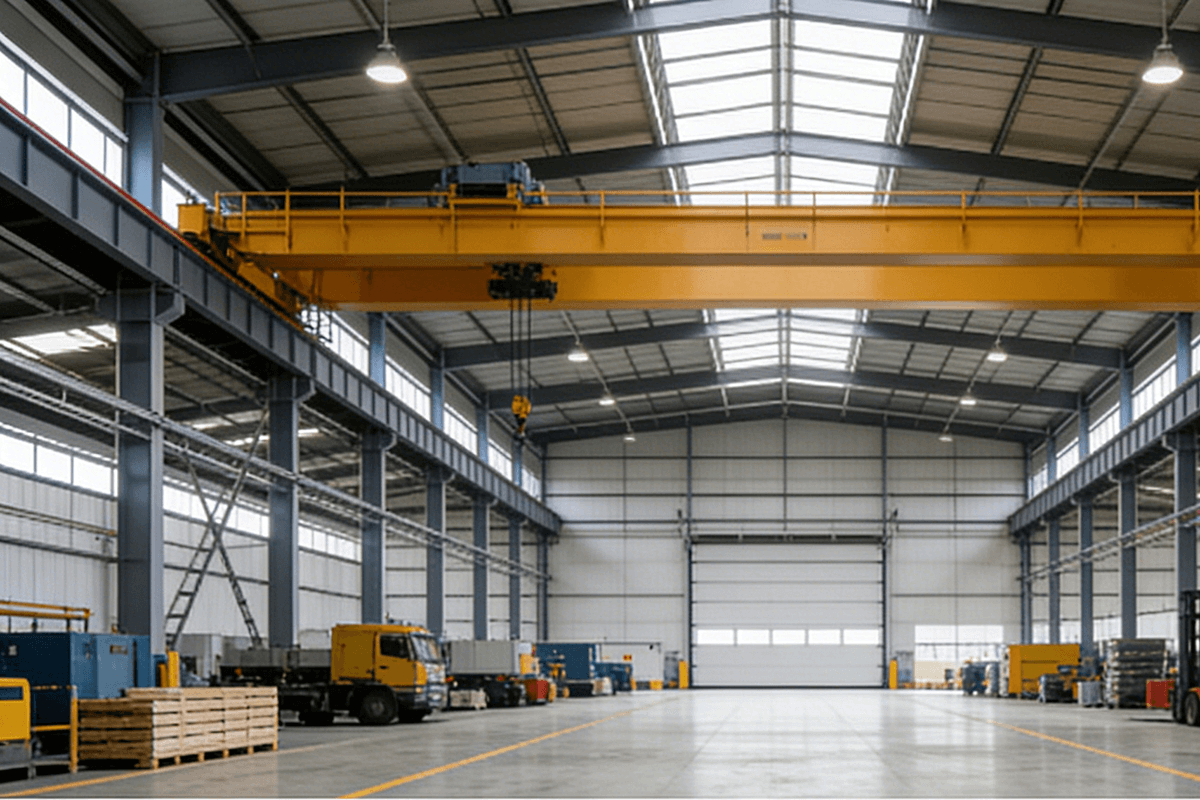
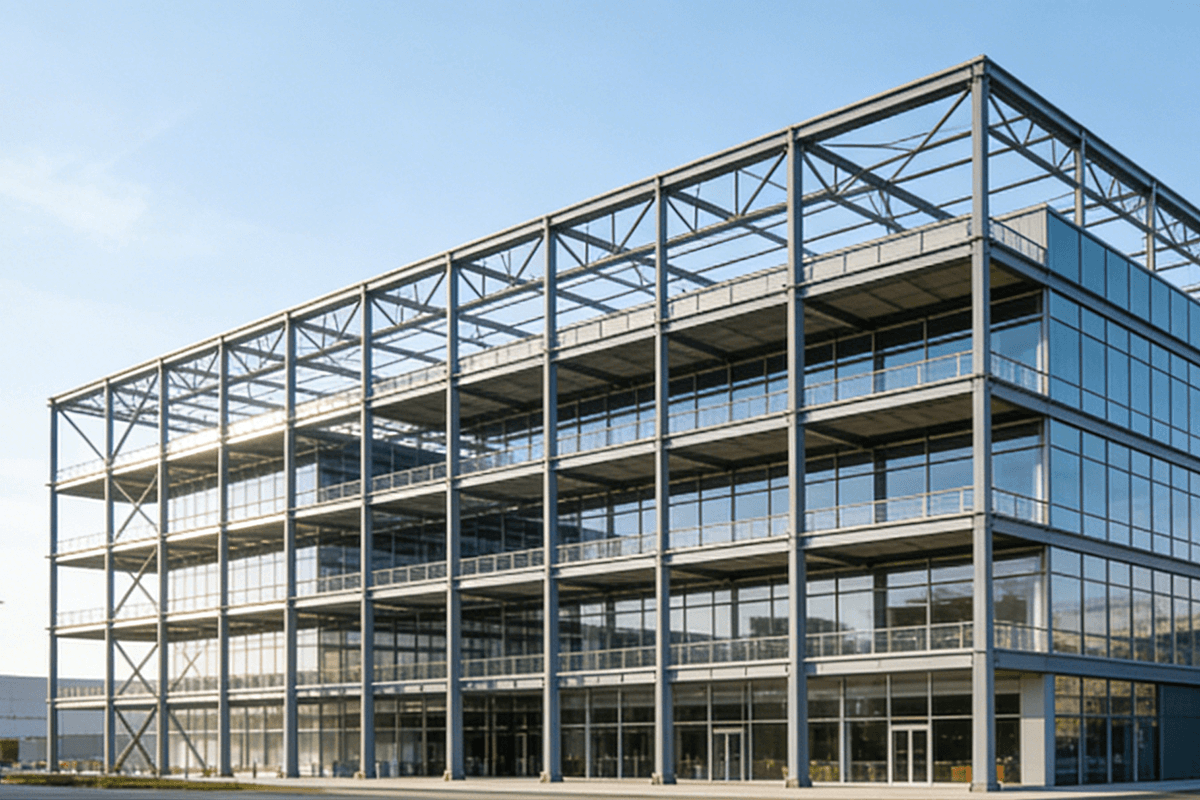
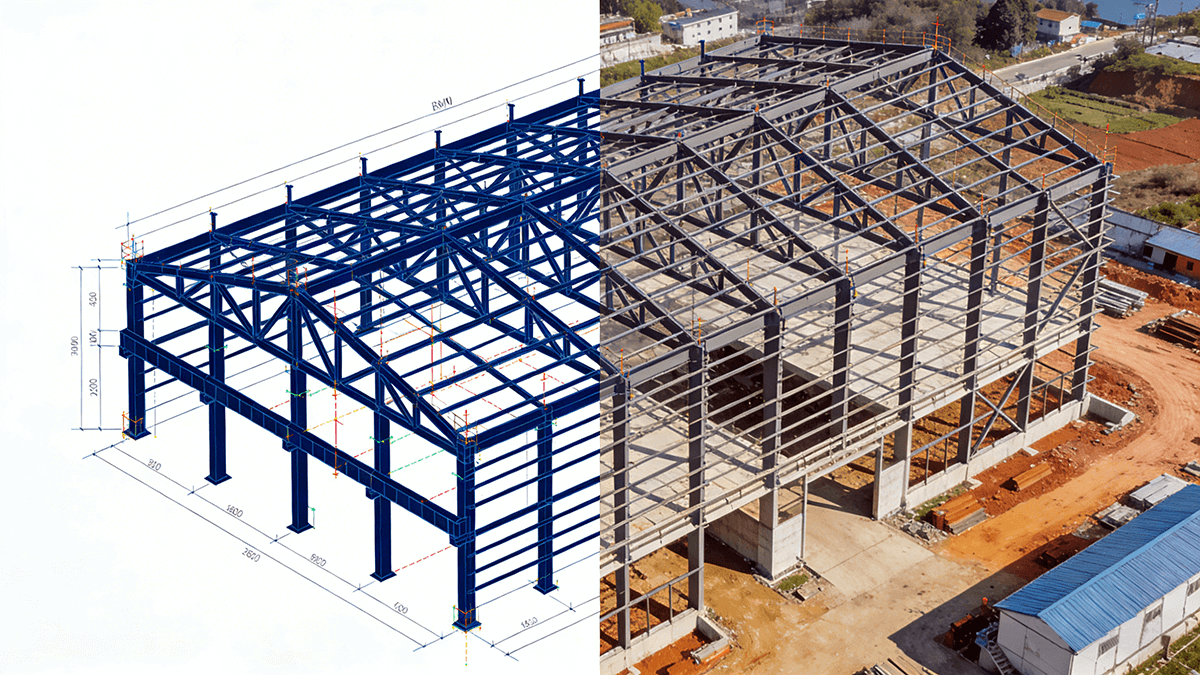
We use Q355B H-beams with tapered haunches and diagonal bracing spaced ≤6m on center, designed per NSCP 2015 Chapter 20 (Philippine typhoon load case). Every connection is pre-drilled and torque-verified—no field welding required. Our standard 20×30m warehouse model has passed third-party wind-tunnel testing at 2.8 kPa (exceeding NBCP Category IV requirement).
Ventilation & Corrosion Control—Built-In, Not Bolted-On
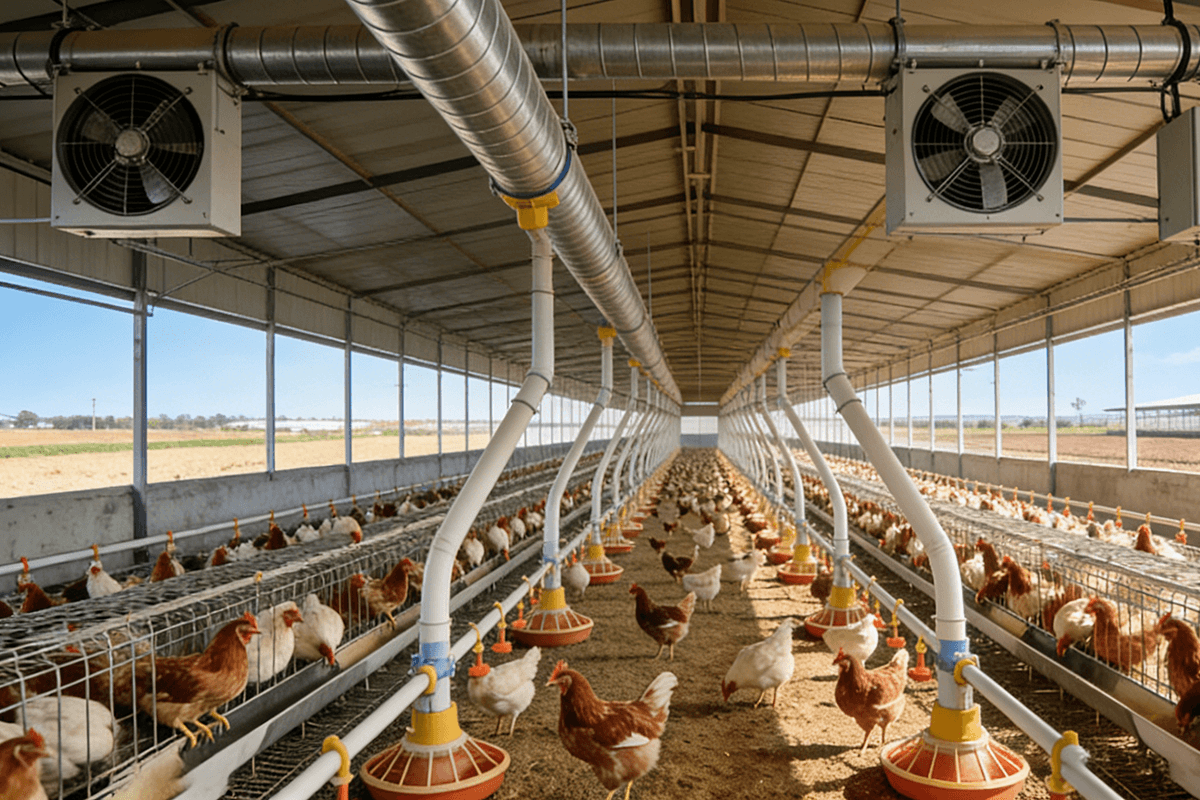
We integrate ridge-mounted continuous exhaust vents with insect mesh and rain hoods, sized to achieve ≥15 air changes/hour without mechanical fans. All exposed steel edges receive edge-sealing compound (tested per ISO 12944-6 C5-M), and all roof penetrations use vulcanized EPDM boots—not tape or caulk.
Supply Chain Transparency Starts at the Bill of Materials
You’ll receive a digital BOM with traceable lot numbers for every material category: steel coil batch IDs (with mill test reports), insulation core density logs, coating thickness maps per panel zone, and fastener tensile strength certificates. No “generic spec sheets”—just auditable data tied to your order. Our ERP system updates delivery milestones hourly, and container manifests include photo documentation of loading sequence and dunnage placement—critical for avoiding moisture ingress during 18-day sea transit from Tianjin to Subic Bay.
Abnormalities Aren’t Hidden—They’re Logged, Root-Caused, and Closed
In 2025, our production line recorded 23 minor non-conformities across 1,842 tons of exported steel sections. Each triggered an 8D report within 4 hours: root cause (e.g., “coating thickness variance due to ambient humidity spike during dip tank operation”), containment (quarantine of affected 32 pieces), and systemic fix (installation of inline humidity sensor + auto-adjustment valve). Zero recurrence. You’ll get full access to these reports—not as marketing material, but as proof of process discipline.
Designing for 20 Years, Not Just Delivery Day
We provide a Life Cycle Maintenance Schedule tailored to your site’s microclimate:
- Year 0–2: Visual inspection of sealant joints & fastener heads (we supply 10% spare fasteners with anti-galling coating);
- Year 3: Re-torque check of main frame bolts (torque value stamped on each bolt head);
- Year 5: Replacement of ridge vent mesh and re-application of edge sealant on exposed cut ends;
- Year 10: Full thermal imaging scan (we coordinate local certified thermographers).
This isn’t theoretical—it’s derived from 12-year performance data across 9 Philippine installations, including a poultry farm in Nueva Ecija still operating at 94% original U-value (0.43 W/m²·K) after 11 rainy seasons.
When Something Goes Off-Spec—You’re Not Alone
We assign a Dedicated Technical Support Lead within 24 hours of order confirmation—not a call center agent, but an engineer who’s supervised installations in Cagayan de Oro and Davao. They carry local regulatory references (NBCP Annex A, DPWH Memo Circular No. 2022-017), speak English and Tagalog, and maintain standing agreements with 3 accredited third-party inspectors in Luzon, Visayas, and Mindanao. If a panel arrives with a dent, they dispatch replacement stock from our bonded warehouse in Clark Freeport Zone—average lead time: 3.2 days.
We Build What You Can Trust—Not Just What You Can Quote
We’re not a catalog supplier. We’re a technical extension of your project team: co-developing BIM models with your local architect, validating structural calculations against NSCP, pre-testing material samples at our provincial Innovation Center (accredited by China National Accreditation Service for Conformity Assessment), and training your site supervisors on correct bolt-tightening sequences. Over 60% of our Philippine projects since 2021 have used this embedded support model—not because it’s profitable for us, but because it prevents rework, delays, and reputational risk for you.
Let’s Start With Your Site Conditions—Not a Price List
If you share your exact location (province/municipality), soil type, and intended building use, we’ll deliver a free Climate-Adapted Technical Brief within 5 working days—including wind load calculation, recommended insulation thickness, corrosion protection grade, and ventilation layout. No sales pitch. Just engineering clarity.