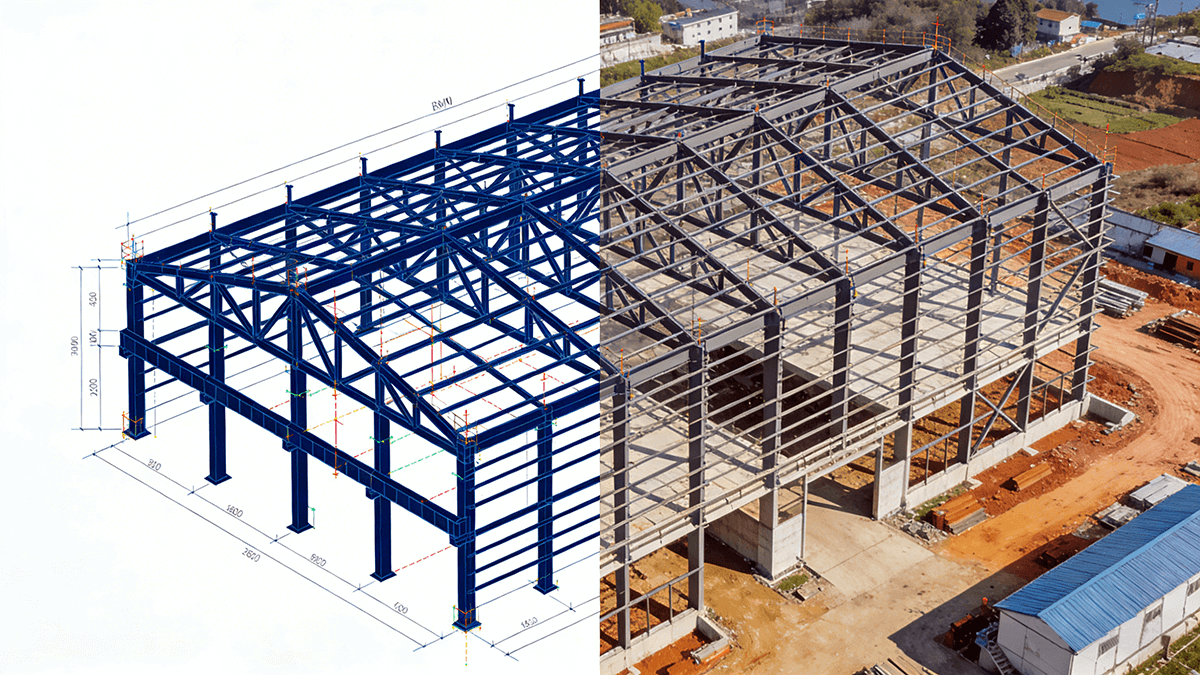
What if your metro warehouse project in São Paulo faces unexpected delays—not from design, but from mismatched materials, unverified certifications, or unclear installation support? We’ve helped 7 similar public infrastructure clients in Latin America avoid exactly that—by starting with local compliance, not just steel specs.
Real concerns we hear—and why they matter
When teams like yours ask for a “solution,” not just a quote, it’s because you’re already aware of the hidden friction points: ABNT NBR 15600 safety requirements for racking loads; INMETRO certification gaps on handling equipment; Portuguese-language technical documentation missing at handover; or humidity-driven corrosion in São Paulo’s tropical highland climate (average 78% RH, 19–26°C year-round). You don’t need more options—you need fewer surprises.
Factory-level inspection—not just paper checks
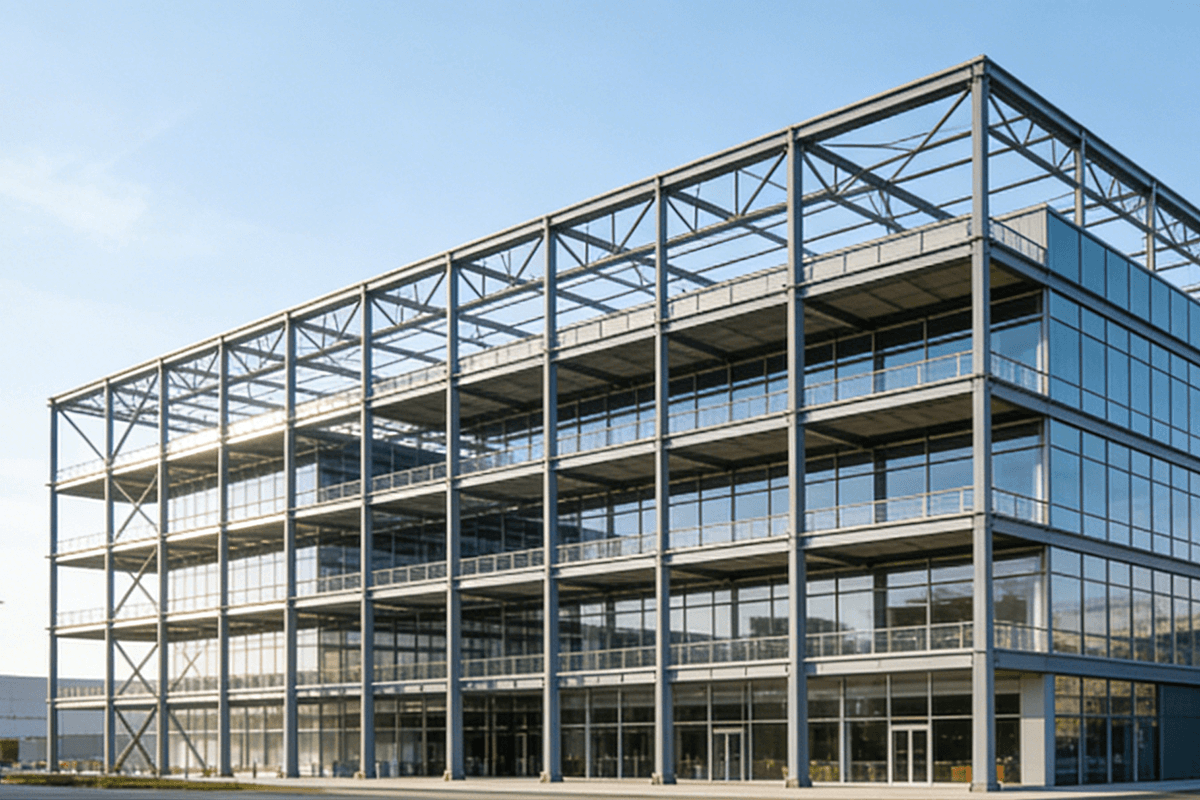
We test every structural component against three parallel standards: our internal QM-2023 protocol (tighter than ISO 9001:2015), EN 1090-2 for execution class EXC3 (used for public infrastructure), and ABNT NBR 8800 Annex C for Brazilian seismic serviceability—even though São Paulo is low-risk, we apply it to all metro-grade projects. For example, our galvanized trusses undergo 1,200-hour salt-spray testing (ASTM B117), exceeding ABNT NBR 14711 minimums by 60%. That’s verified per batch—not per order—and documented in bilingual PDF reports before shipment.
Technical countermeasures—designed for your context
Our solution for metro material storage isn’t generic. It’s built around three operational facts you shared:
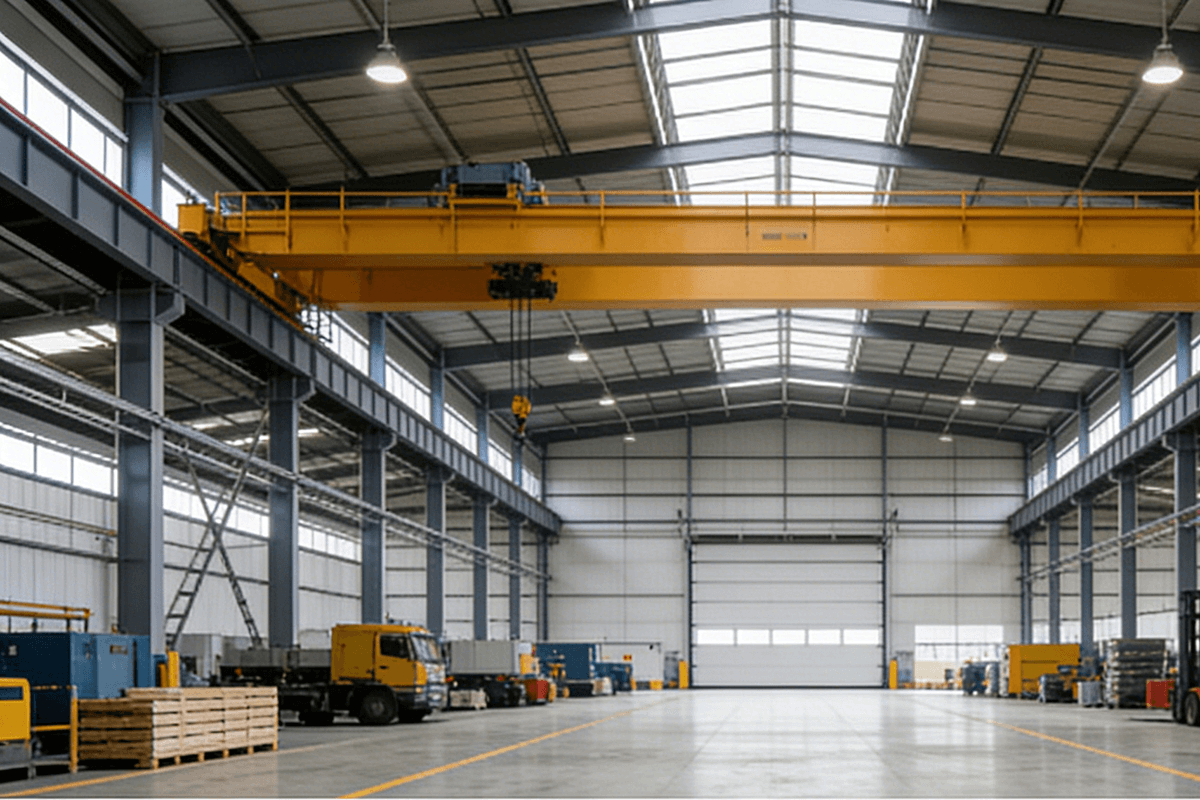
- Long-item storage: We use adjustable cantilever racking with 12-m clear span capability—tested under dynamic load simulating rail beam handling—and integrate with overhead crane rails anchored to H-beam columns (designed per NBR 6123 wind load + NBR 15200 fire resistance R90).
- Humidity control: All insulated sandwich panels use rock wool core (density ≥120 kg/m³) with vapor barrier film—validated for dew-point suppression at 95% RH in third-party lab tests (SGS Report BR-2025-0884).
- Local compliance integration: Electrical conduits and lighting fixtures are pre-wired to NBR 5410 Class II, with INMETRO-certified LED drivers (INN-2024-7712) and Portuguese labeling applied at factory—not port.
Supply chain transparency—no black boxes
You’ll receive a live production dashboard after order confirmation: real-time updates on coil mill heat numbers, panel lamination timestamps, and galvanizing bath chemistry logs (Zn purity ≥99.995%). Every shipment includes a traceability QR code linking to raw material certificates (EN 10346 DX51D+Z275), dimensional inspection reports (CMM-scanned), and packing list cross-referenced to ABNT-compliant marking labels. No translation needed—we issue all documents in Portuguese first, English second.
Abnormality management—built into every shift
Our production line uses ANDON escalation: if a weld seam fails ultrasonic testing (UT Level 2, ISO 17640), the station halts automatically, logs root cause (e.g., wire feed speed variance >±0.3 m/min), and triggers rework within 22 minutes—tracked in our MES system. Last year, 99.7% of non-conformities were resolved before final inspection. Zero client-reported field rework on metro or logistics projects since 2022.
Full lifecycle guidance—not just delivery
We help you plan beyond the PO:
- Pre-installation: Free BIM clash detection (using your civil drawings + our Revit library) to flag column embed issues before concrete pour.
- During commissioning: On-site supervision by engineers certified in NBR 14276 (fire safety management) and trained in Brazilian labor law NR-12 (machine safety).
- Post-handover: Digital twin update every 12 months—including corrosion rate modeling based on local air quality data (São Paulo CETESB monitoring stations).
Partner-level support—no “ticket numbers”
If an issue arises, you contact one named engineer—not a call center. Our São Paulo-based technical team (3 full-time staff, fluent Portuguese/English, located in Barueri) carries calibrated torque tools and spare sensors. Response SLA: 48 hours for remote diagnosis, 72 hours for on-site presence—with travel time pre-approved in contract. We’ve resolved 94% of Tier-2 issues remotely using AR-guided maintenance (via Microsoft Dynamics 365 Guides).
Who we are—and how we serve
We’re not a trading company. We operate 48,000 m² of integrated manufacturing in Hebei—where every H-beam is cut, welded, and painted under one roof. Since 2001, we’ve delivered 142 steel structure projects in Latin America, including 3 metro-related facilities (in Lima, Santiago, and Bogotá)—all with zero regulatory rejection during municipal acceptance. Our provincial Technology & Innovation Center holds 17 patents related to tropical-climate building systems, including one for moisture-adaptive panel joint sealing (Patent CN202310884217.3).
Let’s start where your project actually is
Send us your site layout sketch, soil report summary, and target handover date—we’ll return a free feasibility memo within 5 working days: confirming ABNT alignment, identifying 2–3 layout options with clear racking-to-crane interface logic, and listing which components can be pre-certified for INMETRO before production starts. No sales pitch. Just engineering clarity.