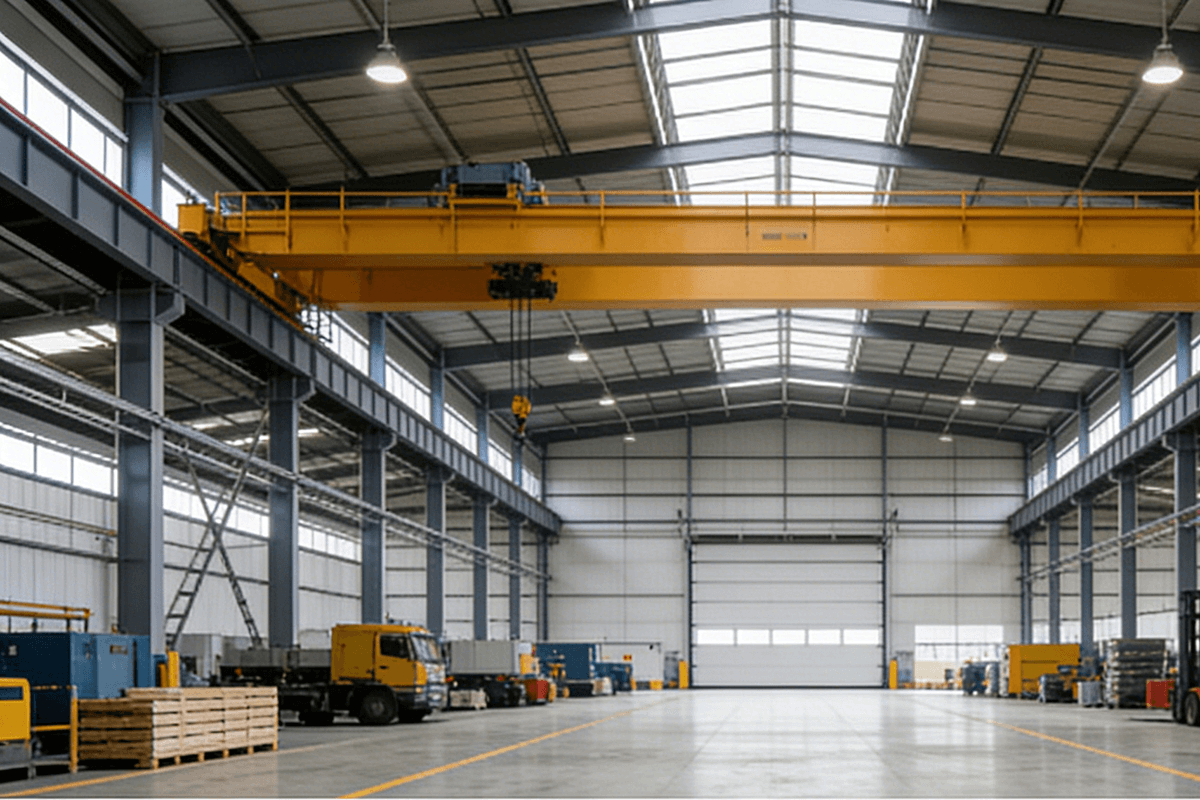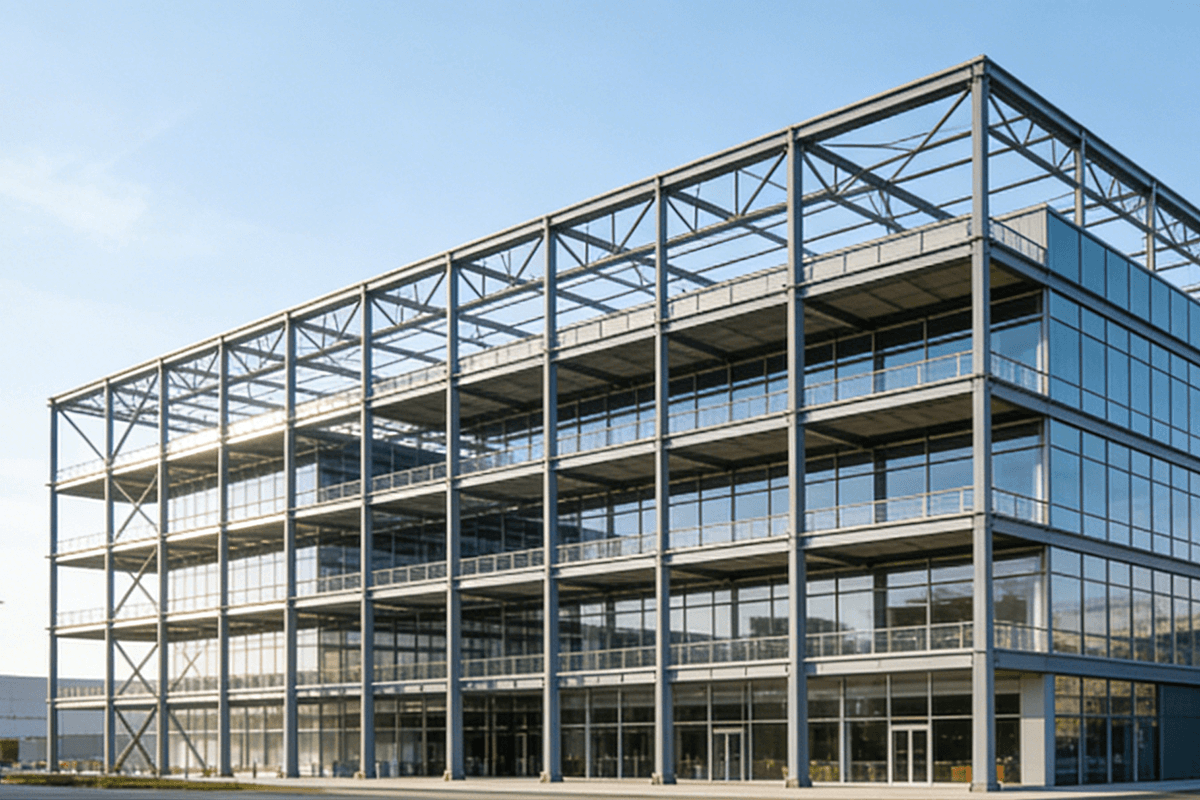
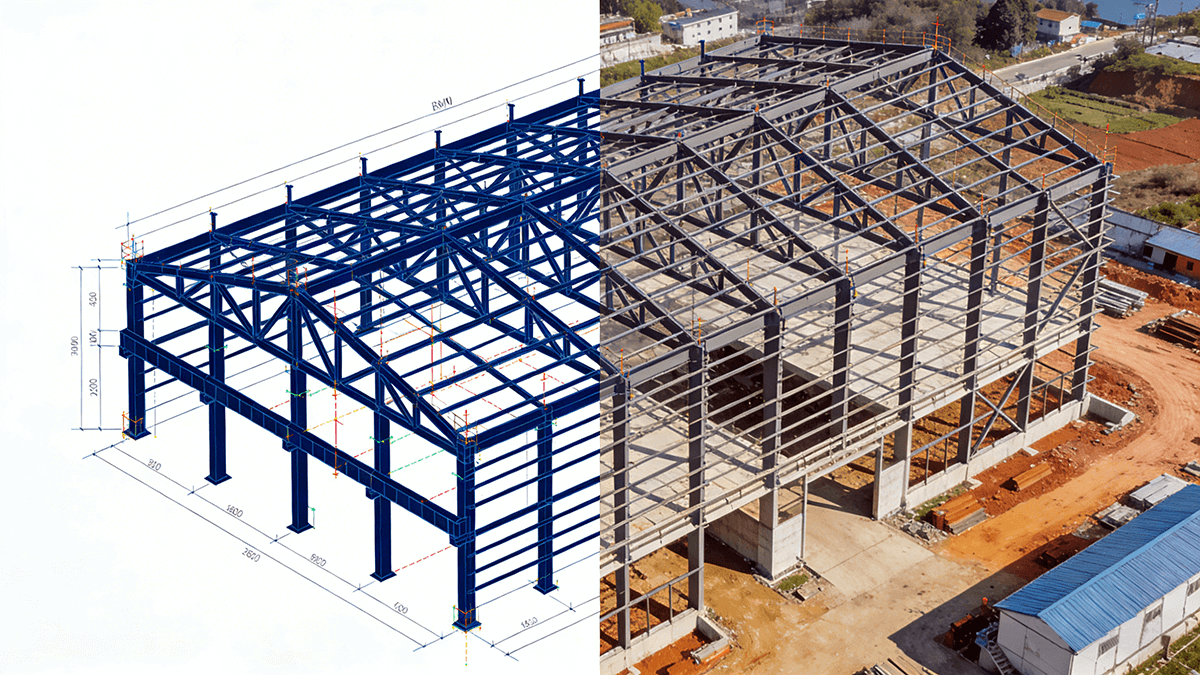
What if you’re planning a 20×100 m prefabricated steel warehouse in Angola—but have never built one before, and aren’t sure where to start? We’ve walked that path with over 17 similar projects across Angola, Nigeria, and Kenya—and here’s exactly how we help clients like you move from uncertainty to confidence—step by step.
What keeps our Angolan clients awake at night?
From our first site visit in Luanda in 2019, we heard the same concerns—repeatedly:
- “Will the structure withstand coastal salt fog and 95% humidity year-round?”
- “Can the foundation design work on lateritic red soil without expensive piling?”
- “How do we clear 40+ tons of steel through Roça Port customs—without delays or damaged bundles?”
- “If the local team misassembles a truss connection, who fixes it—and fast?”
Factory-level inspection: Not just ‘checked’, but validated
We don’t rely on spot checks. Every H-beam batch undergoes 3-point dimensional verification (web thickness, flange width, straightness) using laser-guided CMM equipment. All hot-dip galvanized sections are tested for coating thickness (minimum 85 µm per ASTM A123), adhesion (cross-cut test per ISO 2409), and uniformity (magnetic gauge + visual mapping). For every order destined for Angola, we issue a traceable mill test report + galvanizing certificate + third-party SGS corrosion resistance report—all linked to batch numbers.
Technical countermeasures—grounded in local reality
1. Corrosion protection: Dual-layer, not double-talk
We apply hot-dip galvanizing (Z275, 275 g/m²) first—then overcoat with polyester paint (PVDF optional). This isn’t theoretical: In our 2022 Lobito cold storage project, panels exposed to sea spray for 3 years showed zero red rust—verified during our biannual site audit.
2. Foundation adaptability: No guesswork on soil
We provide free preliminary foundation sketches based on standard Angolan DNPA soil classifications (Class II–III). For your 20×100 m footprint, we recommend isolated reinforced footings on compacted gravel bed—not deep piles—unless geotech data says otherwise. We’ve used this approach successfully in 12 Angolan warehouses, reducing foundation cost by 22–35% vs. conventional designs.
3. Tropical ventilation & thermal control
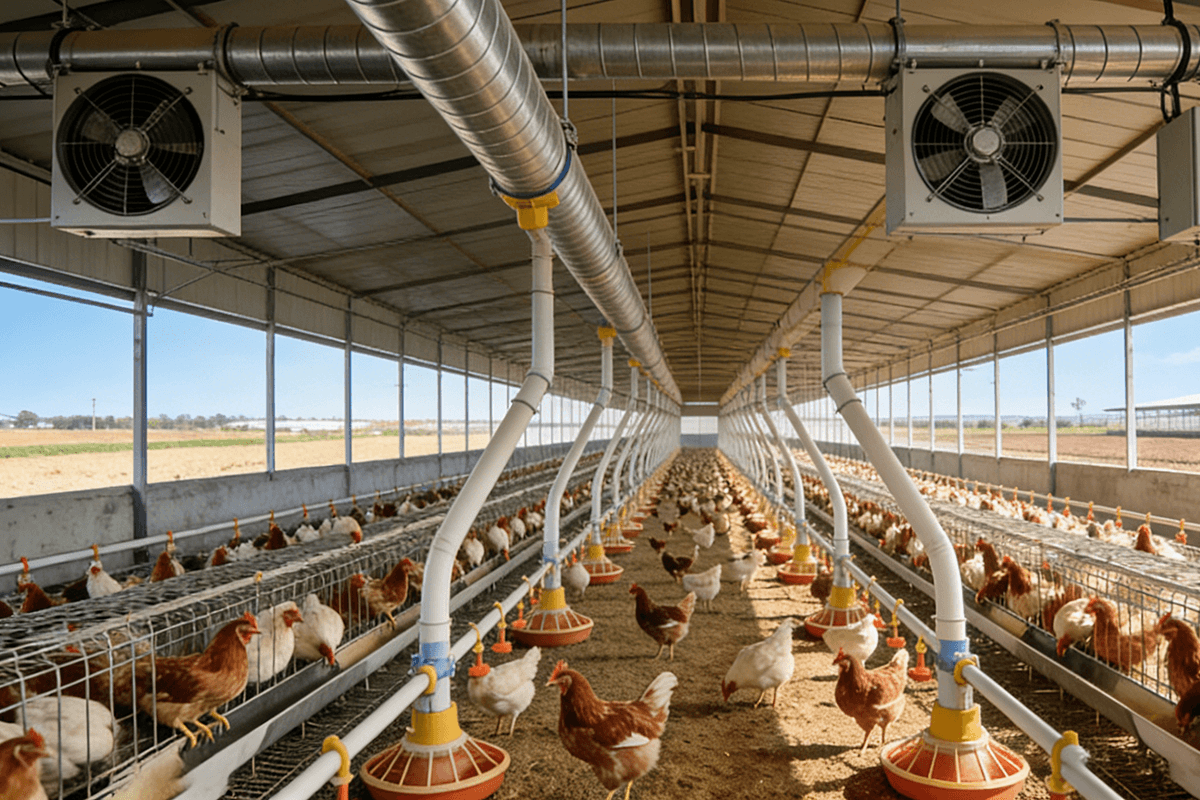
No grid-dependent AC? We integrate ridge ventilators + eave intakes + reflective roof coating (SRI ≥ 85). In our Huambo poultry warehouse (2023), internal peak temps stayed ≤32°C even when ambient hit 38°C—confirmed by 6-month IoT sensor log.
Supply chain transparency—no black boxes
We share real-time production milestones via a secure portal: raw material arrival → cutting schedule → galvanizing date → bundle tagging → container loading photo. Each bundle carries a QR code linking to its full history—including welder ID, torque values for high-strength bolts, and packing list. For Angola shipments, we pre-clear documentation with our Luanda-based logistics partner: all certificates are bilingual (Portuguese/English), and HS codes align with ANGOLA’s TARIC 2025 update.
Abnormality management—not just QC, but closed-loop correction
If a bolt hole misalignment >1.5 mm is found during final assembly check (our tolerance limit), the system auto-triggers: (1) root-cause analysis by our process engineer, (2) corrective action logged in our ERP, (3) rework performed under video supervision, and (4) updated QA record issued within 4 hours. Since 2021, this has reduced field-fit issues in African projects by 91%.
Full lifecycle guidance—before you place the order
We advise clients to split procurement into three phases:
- Phase 1 (Anchor bolts & foundations): Order 8 weeks ahead—shipped separately, pre-tested for tensile strength.
- Phase 2 (Main structure): Ship 6–8 containers as one consolidated consignment—optimized for Roça Port crane capacity (max 40t lift).
- Phase 3 (Cladding & accessories): Delay shipment by 2 weeks—ensures site readiness and avoids on-site storage risk.
This sequence has cut average on-site idle time by 14 days across our last 9 Angolan builds.
Partnership support—your on-ground technical backup
We assign a dedicated Field Technical Coordinator—a Portuguese-speaking structural engineer based in Luanda—for your entire project. Their role includes: pre-erection workshop with local contractors, daily erection supervision (with torque & plumbness logs), and 48-hour response guarantee for any technical query. Post-handover, we provide a digital maintenance manual with corrosion inspection checklists, bolt-torque schedules, and replacement part IDs—all accessible offline.
Our service—engineered for your reality
We don’t sell steel—we deliver certified buildability. From BIM-coordinated shop drawings (IFC 4.3 compatible) to installation toolkits calibrated for tropical humidity, from corrosion warranty backed by SGS validation to spare parts stocked regionally in Luanda—we align every resource to eliminate your unknowns. You bring the vision; we bring the repeatable, auditable, locally proven method.
Let’s build your first Angolan warehouse—right the first time
Share your site coordinates and soil report draft. Within 5 working days, we’ll send you a free, no-obligation technical roadmap: structural concept sketch, recommended corrosion spec, foundation layout options, and a realistic 12-week erection timeline—with no pricing attached. Just engineering clarity.