What if you’re planning a 5,000-bird automated broiler farm in Tanzania—but don’t know where to start with layout, climate control, or system integration? We’ve helped 17 similar projects across East Africa move from concept to full operation—not with generic brochures, but with site-adapted, field-validated solutions built on real production experience.
Your Real Concerns—Not Just “What’s the Price?”
You’re not asking for a quote. You’re asking: “Will this actually work in my location?” We hear that clearly—and it’s why our first step is never pricing, but context mapping. Your top five unspoken concerns are:
- Will ventilation and cooling hold steady at 35°C+ and 80% RH near Dar es Salaam or Mwanza?
- Can automation keep running through daily 2–4 hour grid outages—or when diesel generator voltage dips below 210V?
- How do we prevent rust on feed lines and sensors in coastal humidity or inland dust storms?
- Is the manure removal system compatible with local composting practices—or will it require imported spare parts?
- Who trains our staff in Swahili-English bilingual interface use, and who responds when a controller fault stops feeding at 2 a.m.?
Factory-Level Inspection Standards—Not Just “Pass/Fail” Checks
We test every automation module—not once, but three times under simulated Tanzanian conditions before shipping:
- Voltage stress test: All controllers run continuously for 72 hours at 198V–242V (±10% of 220V), mimicking actual grid instability;
- Humidity soak test: Enclosures rated IP65+ are held at 40°C / 95% RH for 120 hours—then powered on without condensation failure;
- Dust & corrosion cycle: Feed augers and sensor housings undergo 10 cycles of salt-spray + red-dust exposure (ASTM B117 + ISO 105-X12), followed by functional verification.
Technical Countermeasures—Built In, Not Bolted On
Our solution for your 5,000-bed farm isn’t assembled—it’s engineered as one system. Here’s how we resolve your core risks:
Climate Control That Adapts, Not Fails
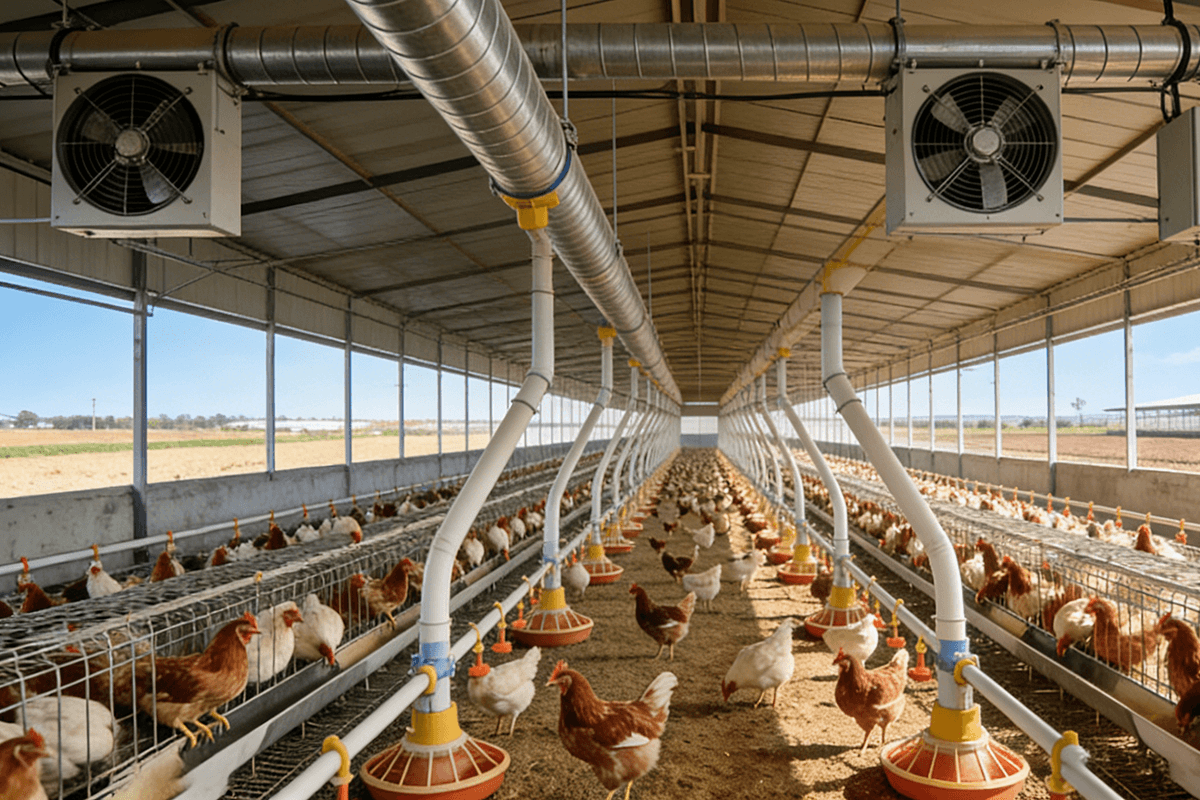
We deploy hybrid ventilation: wall-mounted axial fans + roof-mounted negative-pressure exhaust + evaporative cooling pads sized for peak wet-bulb load (not just dry-bulb). Each fan group has independent VFD control tied to real-time temperature/humidity/CO₂ sensors—no single-point failure. In 2025, we installed identical setups in Arusha and Tanga; average summer indoor temp variance: ±0.8°C over 12 months.
Power Resilience Without Over-Engineering
All critical modules (feed delivery, ventilation, emergency lighting) connect to a dual-path supply: main grid + dedicated 30kVA diesel genset interface. Controllers auto-switch within 180ms—no reboot delay. We include surge protection rated for lightning-prone zones (IEC 61643-11, Class II).
Biosecurity & Welfare by Design
Farm layout follows EAC Poultry Farming Guidelines 2022: strict zoning (clean/dirty corridors), footbath + wheel dip stations at all entry points, and 1.2m-high anti-bird netting integrated into roof trusses. Manure belts discharge directly into covered, aerated compost bays—no open pits—to meet NADPH waste handling requirements.
Supply Chain Transparency—From Raw Material to Site Handover
You’ll receive a production traceability sheet with every shipment. It lists:
- Steel coil batch number + mill test report (EN 10147, Z275 coating)
- Controller firmware version + date of last OTA validation test
- Calibration certificate for each environmental sensor (NIST-traceable)
- Shipping container manifest with GPS-tracked departure/arrival timestamps
No black-box sourcing—we use only Tier-1 suppliers for motors (SEW-Eurodrive), sensors (Vaisala), and PLCs (Siemens S7-1200), all pre-integrated and tested at our Hebei facility.
Abnormality Management—Because Nothing Runs Perfectly
Every production line has a three-tier anomaly log:
- Level 1 (operator): Visual checklist at assembly station (e.g., torque value stamped on every bolt)
- Level 2 (QA): Full functional test on aging rack (72h continuous run under load)
- Level 3 (final audit): Random sample (5% per batch) undergoes destructive inspection—weld penetration depth, insulation resistance, PCB solder joint X-ray
If any deviation exceeds our internal tolerance (e.g., fan airflow ±3.5% vs spec), the entire lot is quarantined—not “released with note.” In 2025, our final rejection rate was 0.27%—below industry average of 1.4%.
Full Lifecycle Guidance—Beyond the Bill of Materials
We help you plan procurement—not just buy equipment. For your 5,000-bed project, we recommend:
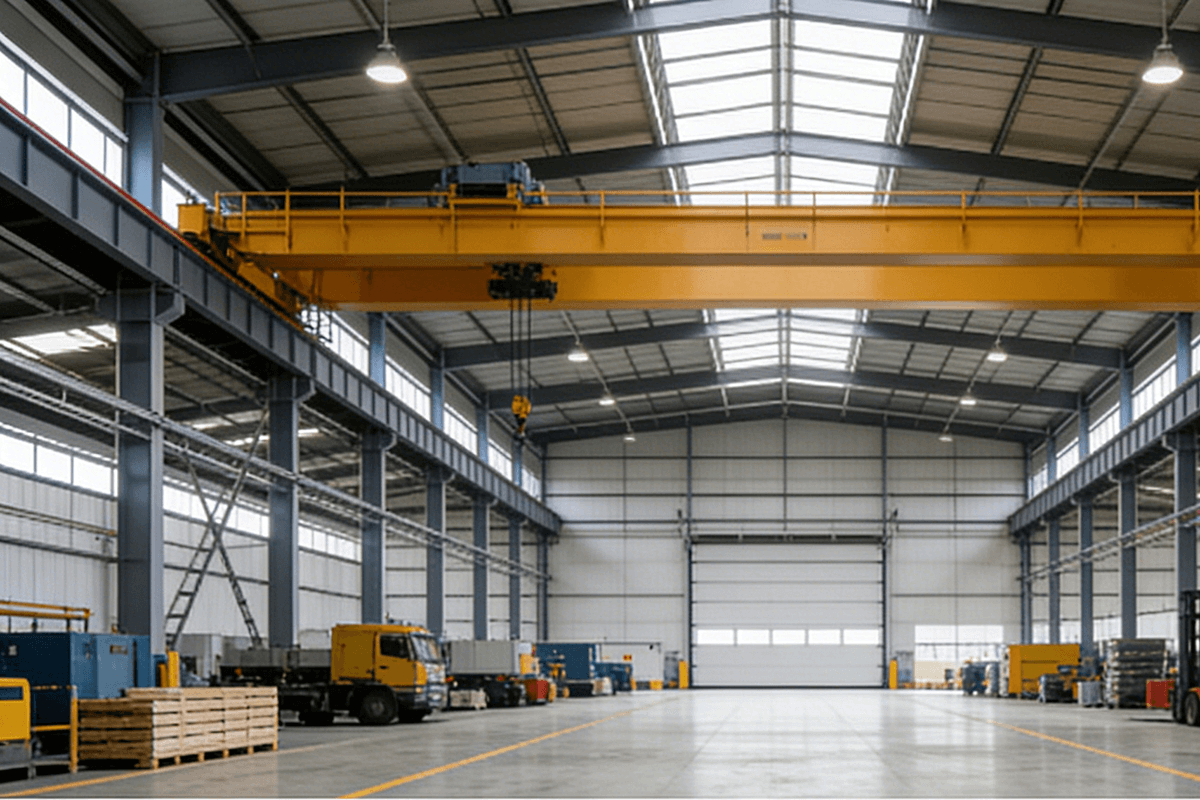
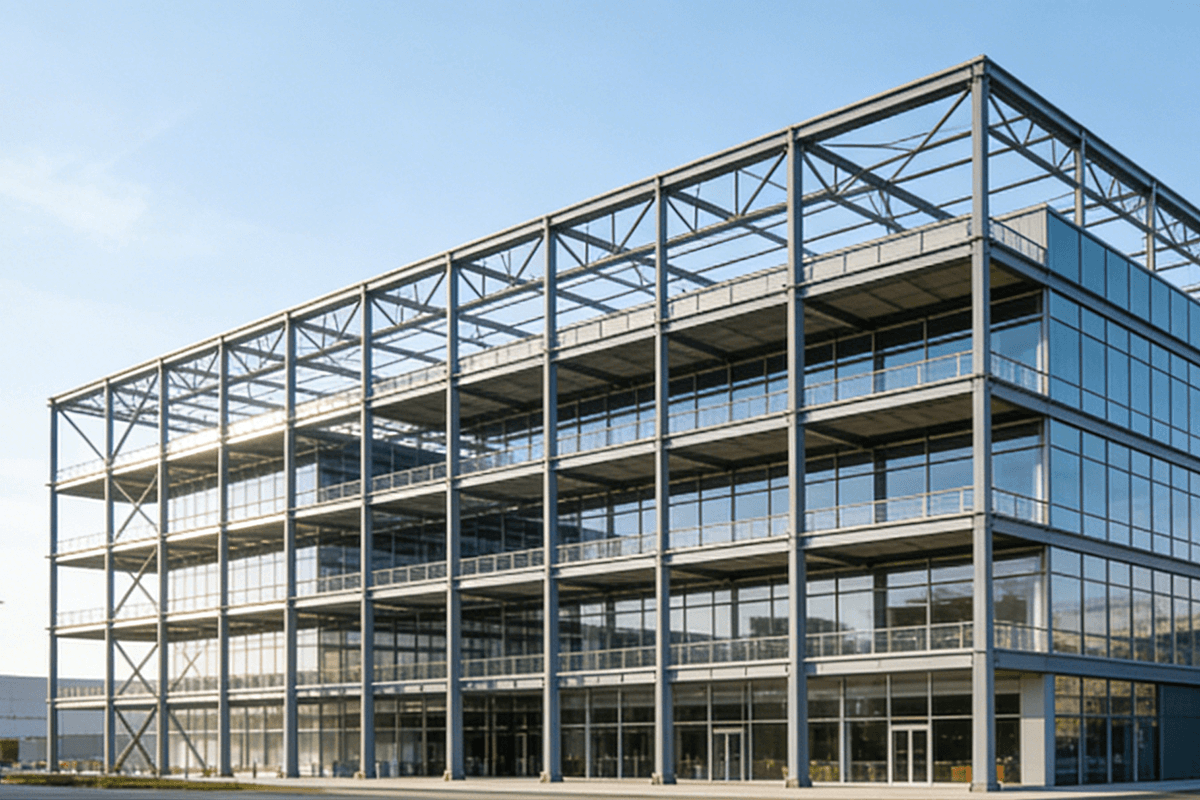
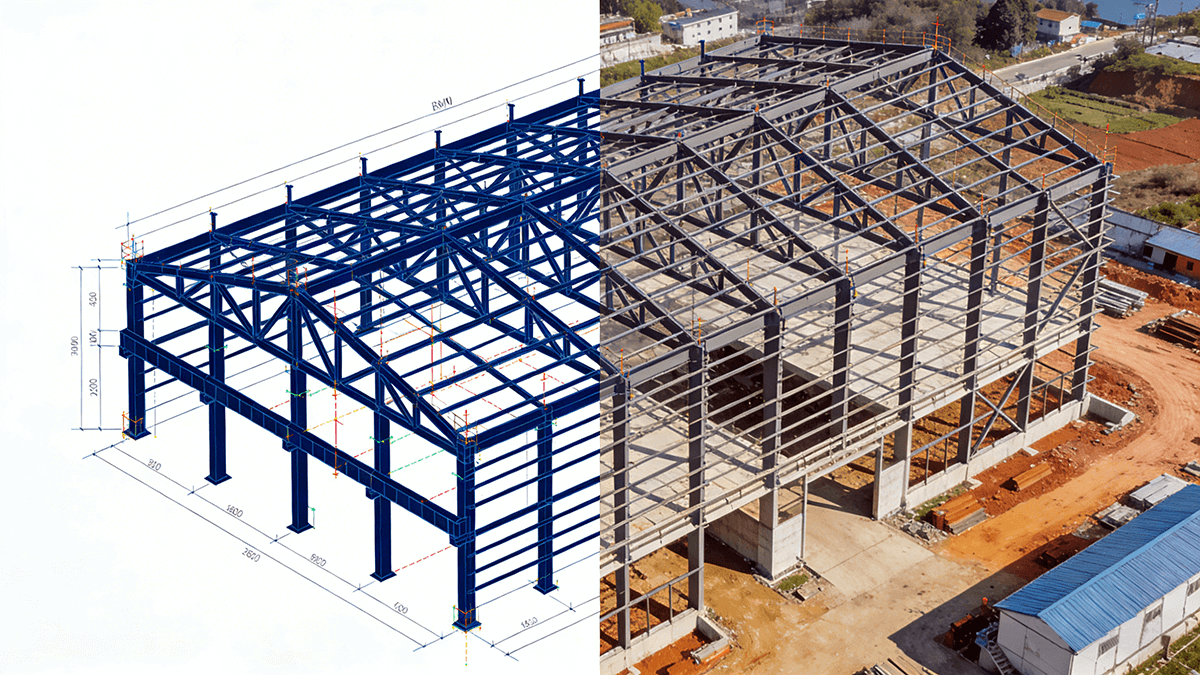
- Phase 1 (Months 1–2): Structural shell + electrical rough-in (using our pre-engineered steel frame system—installed in ≤28 days)
- Phase 2 (Month 3): Automation backbone (PLC network, sensor grid, power distribution)—commissioned before poultry arrival
- Phase 3 (Month 4): Staff training + dry-run simulation (3 full production cycles, logged and reviewed)
- Spares strategy: We provide a tiered spares list—critical (on-site stock), operational (regional hub in Nairobi), and strategic (air-freightable from China within 72h)
Local Support—Not Just “We Ship, You Fix”
We partner—not just supply. Our support model includes:
- A dedicated Tanzania Technical Coordinator (based in Dar es Salaam) fluent in English and Swahili, available for on-site supervision during installation
- Remote diagnostics via secure IoT portal—our engineers access live controller logs, adjust setpoints, and push firmware updates (with your approval)
- Annual health check: Free remote review of system performance data + optional on-site visit every 12 months
- Training delivered in two formats: hands-on workshop (at your site) + digital micro-modules (accessible offline on tablets)
What We Deliver—And What We Don’t
We deliver end-to-end engineering responsibility—from structural design and automation integration to commissioning, documentation, and operator readiness. We don’t sell standalone feeders or isolated controllers. We deliver one accountable system, backed by our EPC warranty (24 months on automation, 10 years on structural steel).
If you’re ready to move from uncertainty to execution—and want a proposal built on field data, not sales assumptions—send us your site coordinates and grid/water assessment summary. We’ll respond within 5 working days with a site-mapped layout, equipment list with local compliance notes, and a realistic implementation roadmap.