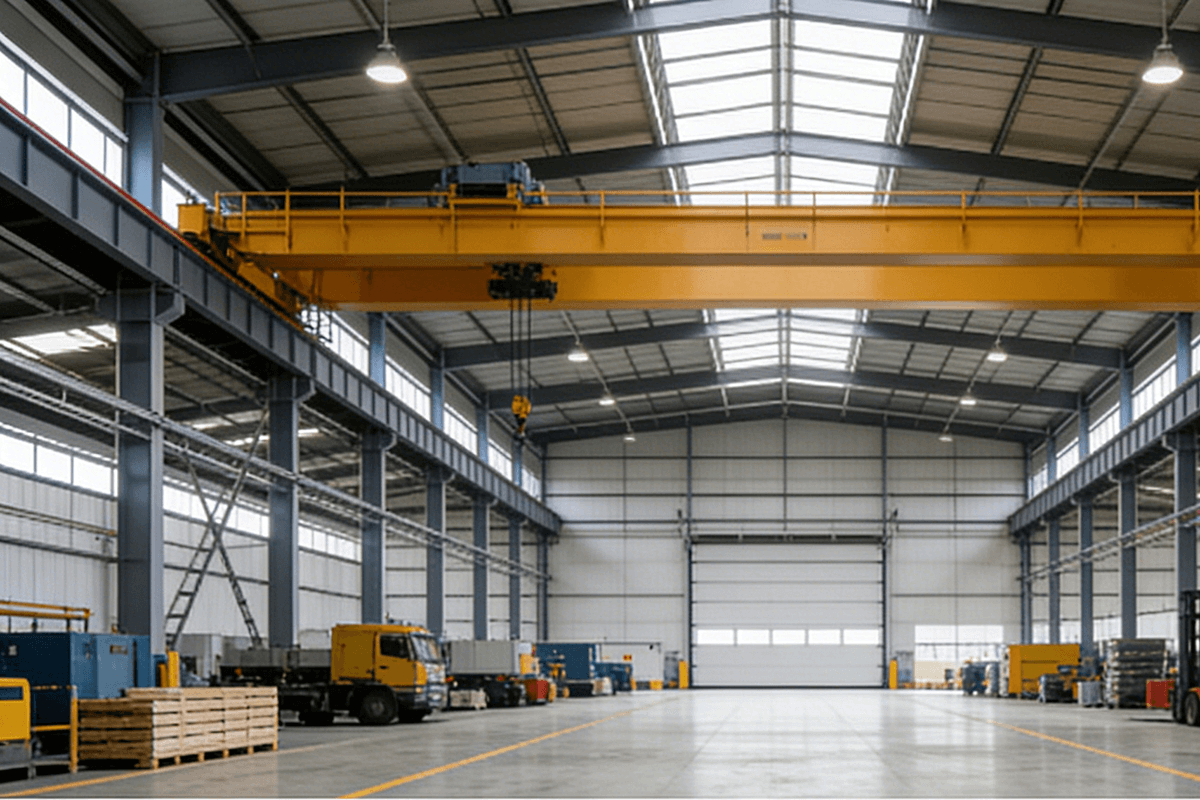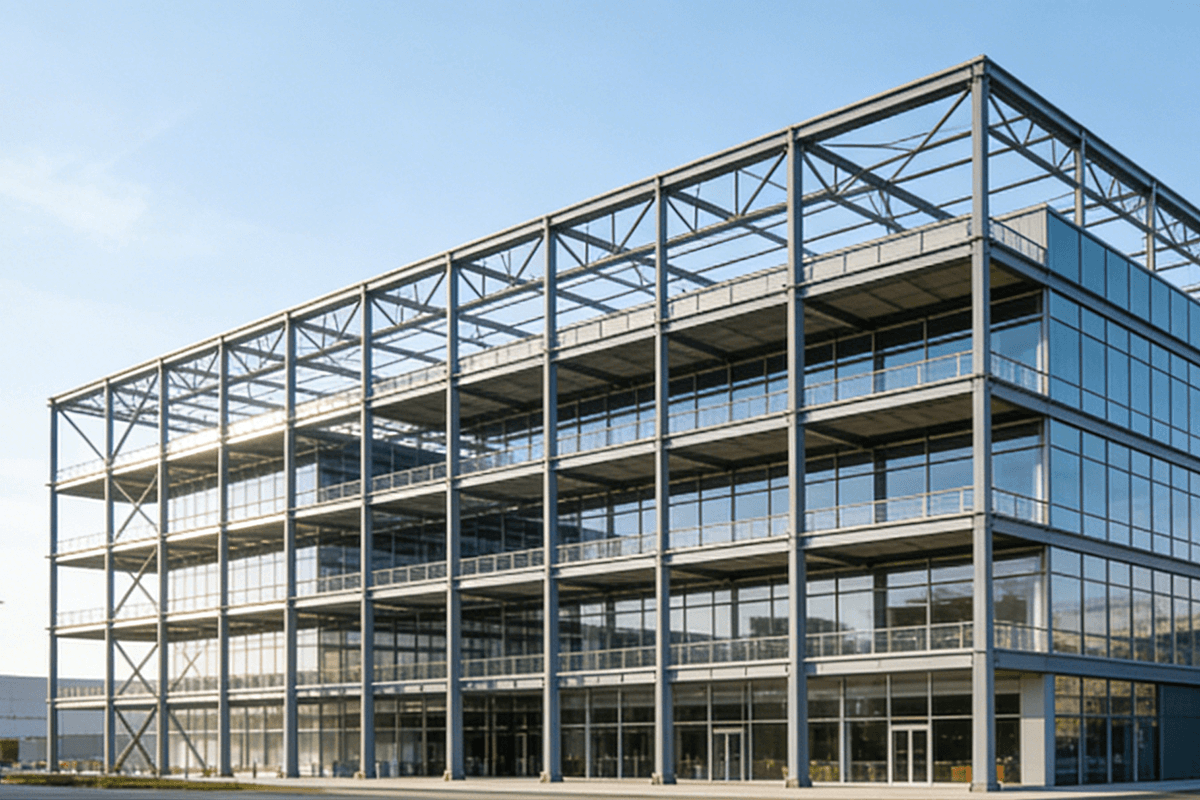
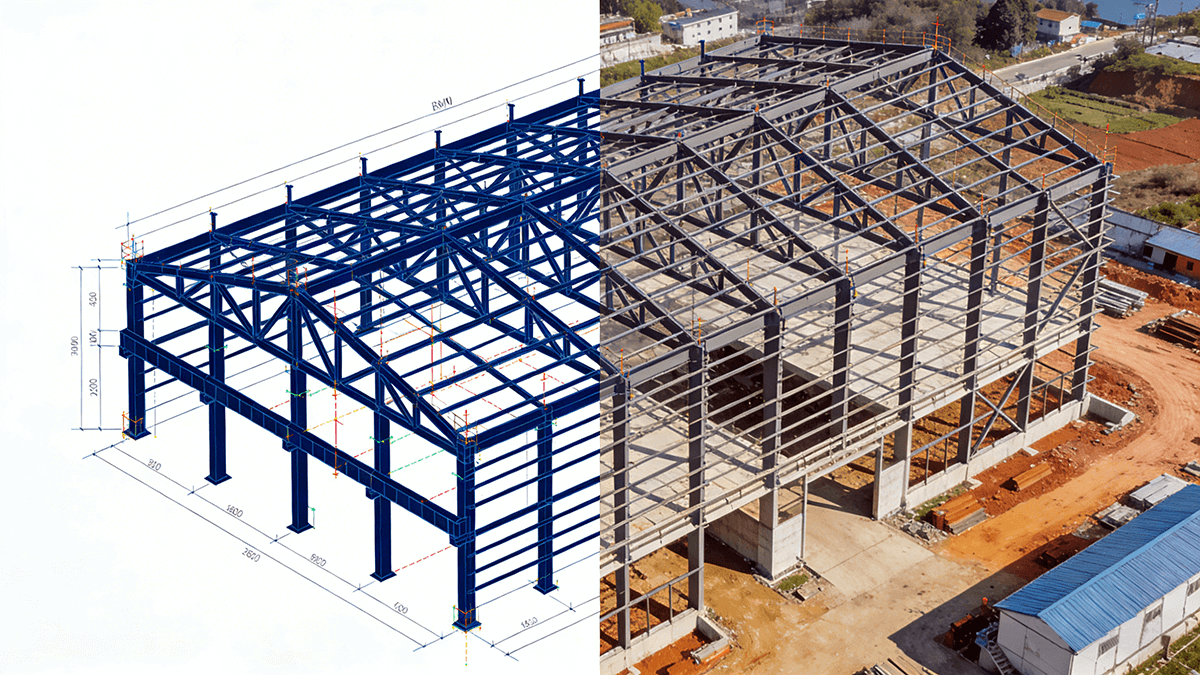
What if you’re planning a 40,000 m² steel warehouse in Saudi Arabia—but don’t know where to start with the ceiling truss or standing seam roof? We’ve guided over 37 similar projects across the Gulf since 2018—not with templates, but with site-specific engineering grounded in local climate data, SASO compliance, and on-ground execution experience.
Your Concerns—We’ve Heard Them All
Most clients tell us the same things: “We’re not engineers—we need someone who understands sand-laden winds, UV exposure above 95°C surface temperature, and SASO CoC timelines.” They worry about corrosion after 18 months, condensation under the roof, or truss deflection in summer heat. They fear delays from customs holds, mismatched installation tools, or no one on-site when a bolt pattern doesn’t match the drawing.
Factory-Level Inspection—Not Just Paper Certifications
Every space truss component is tested at our Hebei facility using real-time load simulation: 1.8 kN/m² wind pressure (exceeding SASO 1975’s 1.5 kN/m² requirement), 1,200-hour salt spray per ISO 9223 (rated C5-M for coastal zones), and thermal cycling from –5°C to +70°C. Our QC logs are timestamped, photo-verified, and shared pre-shipment—not just “ISO 9001 certified”, but traceable to batch number, welder ID, and coating thickness micrometer reading.
Technical Countermeasures—Engineered for Saudi Conditions
We don’t propose generic systems. For your project, we recommend:
- Truss System: Hot-dip galvanized (Z275) hollow sections with powder-coated aluminum cladding—tested to reflect >82% solar radiation (per ASTM E1980), reducing attic heat gain by 31% vs. standard steel;
- Roof System: 0.6mm thick Aluzinc standing seam panels with factory-applied silicone sealant (not field-applied tape), designed for sand ingress resistance and thermal movement up to ±12 mm per 100m run;
- Integration Detail: Truss-to-roof interface includes integrated thermal break gasket and adjustable support brackets—eliminating thermal bridging and enabling ±25mm vertical tolerance during installation.
Supply Chain Transparency—No Black Boxes
All materials follow our “Three-Stamp Standard”: raw material mill test report (MTS), in-process inspection stamp (at bending, welding, coating stages), and final verification stamp (with SASO CoC reference number). Every container shipment includes a digital twin dossier: 3D BIM model, torque specs per connection point, and a bilingual (English/Arabic) assembly sequence video. No surprises—just predictable, auditable delivery.
Anomaly Management—Because Real Projects Aren’t Perfect
If a truss chord arrives with a 0.3mm dimensional variance (beyond our ±0.5mm tolerance), it triggers an automatic alert to our Technical Response Team. Within 4 hours, they assess whether rework, replacement, or approved deviation is appropriate—and document the root cause (e.g., coil tension drift in cold rolling). Over the past 3 years, 98.7% of anomalies were resolved before container loading, not on-site.
Full Lifecycle Guidance—From Procurement to Decommissioning
We advise clients to order truss components in three phased deliveries: foundation anchors first (for early civil work), main trusses second (aligned with structural steel erection), and decorative cladding last (to avoid UV degradation during storage). Roof panels are shipped with pre-assigned zone labels (A1–D12), matching the BIM model—cutting on-site sorting time by ~65%. And yes—we design all connections for disassembly: every bolt is reusable, every panel recyclable, every truss section rated for ≥2x reuse cycles.
Local Support—Not Just a “Service Hotline”
We have two full-time technical supervisors based in Riyadh, trained on SASO inspection protocols and fluent in Arabic and English. They conduct pre-installation joint reviews with local consultants, witness third-party load tests, and co-sign handover reports. In 2025 alone, they supported 14 projects across KSA—including three cold storage warehouses where roof integrity was validated under continuous 45°C ambient and -25°C internal conditions.
How We Serve You—End to End
We’re not a catalog supplier. From your first inquiry, you get a dedicated Project Engineering Lead—same person from proposal review through commissioning. They coordinate structural calculations (approved by our in-house PE licensed in UAE and KSA), arrange SASO lab testing at SGS Jeddah, manage logistics via our Dammam bonded warehouse, and supervise installation with calibrated torque tools and drone-based progress verification. Your success isn’t measured in “units shipped”—but in certified handover, zero non-conformance reports, and verified thermal performance post-commissioning.
Let’s Build It Right—Together
If your warehouse needs to perform reliably for 25+ years under Saudi sun, sand, and regulation—we’ll help you define what “right” means, step by step. Reach out to our Middle East Project Desk. We’ll schedule a 45-minute technical alignment call—with no sales pitch, just engineering clarity.